
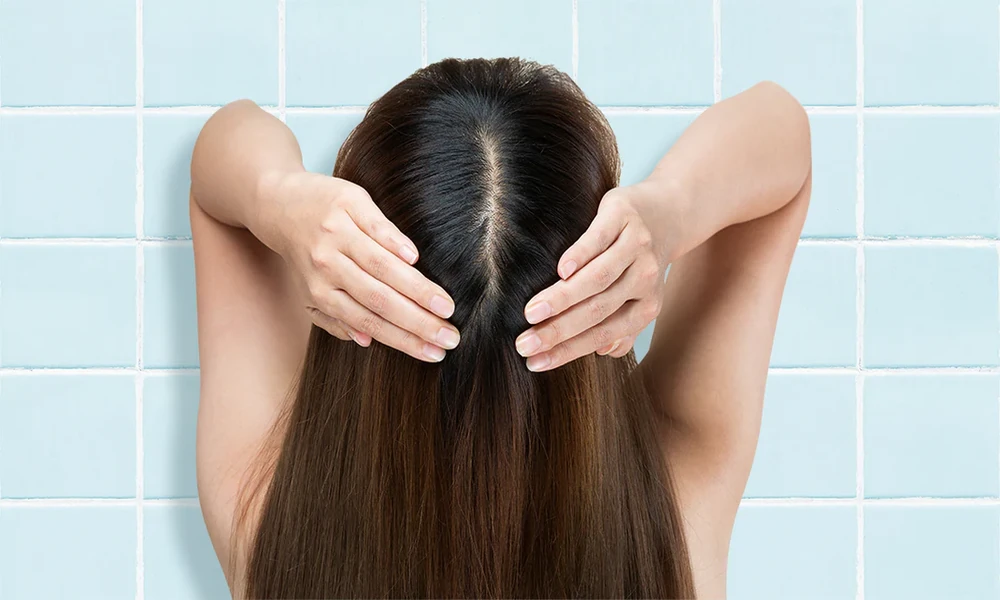
Dandruff remains one of the most common scalp concerns, affecting people across age groups. While occasional flakes may seem harmless, persistent dandruff can impact scalp comfort and confidence. That’s why, understanding its causes and following a consistent scalp care routine can help manage visible flakes and support long-term scalp health. Consider this as your go-to guide for dandruff treatment and scalp care.
What Causes Dandruff?
Dandruff is a common scalp condition associated with a combination of factors, including excess scalp oil (sebum), sensitivity to a naturally occurring yeast called Malassezia, and mild scalp inflammation. These factors can accelerate the shedding of skin cells, resulting in visible flakes. Stress, seasonal changes, and individual scalp characteristics may also contribute to dandruff flare-ups. Maintaining a balanced scalp environment is important for overall scalp health and comfort.
Dandruff vs Dry Scalp: What’s The Difference?
Although both conditions can cause flakes, dandruff and dry scalp are different concerns. Dry scalp occurs when the skin lacks sufficient moisture, often resulting in smaller, drier flakes. Dandruff, on the other hand, is typically associated with excess oil, Malassezia activity, and scalp irritation. Understanding the difference can help you choose the right scalp care products and routine.
Effective Methods To Remove Dandruff And Improve Scalp Health
While dandruff is often a recurring condition, it can usually be managed effectively with the right scalp care practices.
- Use An Anti-Dandruff Shampoo With Proven Ingredients
Look for shampoos formulated with clinically recognized anti-dandruff ingredients such as ketoconazole, selenium sulfide, zinc pyrithione, piroctone olamine, or salicylic acid. These ingredients are commonly used to help reduce visible flakes and support scalp health when used as directed.
- Cleanse Your Scalp Regularly
Regular cleansing helps remove excess oil, dead skin cells, and product residue that can accumulate on the scalp. The ideal shampooing frequency depends on your scalp type, hair texture, lifestyle, and product usage.
- Avoid Excess Product Buildup
Styling products, dry shampoos, and leave-in treatments can build up over time. Occasional clarifying products, where suitable, may help remove residue and leave the scalp feeling refreshed.
- Massage Your Scalp Gently
A gentle scalp massage while shampooing can help distribute cleansing ingredients evenly and assist in removing excess oil, flakes, and buildup. Avoid aggressive scrubbing, which may irritate the scalp.
- Support Your Routine With Targeted Hair Care
Once dandruff is under control, maintaining a healthy scalp environment becomes an important part of supporting healthy-looking hair. A hair serum can help improve hair smoothness, shine, and manageability depending on its formulation.
Different types of hair serum can address different concerns. For example, an anti-frizz hair serum can help improve smoothness and manageability, while a hair growth serum may be incorporated into the routine to support the appearance of fuller-looking hair over time.
Consistent scalp care is key to managing dandruff and supporting overall scalp health. By cleansing regularly, minimizing buildup, using anti-dandruff ingredients, and incorporating suitable products such as a hair serum, you can help create a healthier foundation for stronger-looking, smoother, and more manageable hair over time.
For professional scalp and hair care advice, visit a L’Oréal Professionnel partner salon and consult trained experts who can recommend personalized solutions for dandruff, scalp health, and other hair concerns.
