
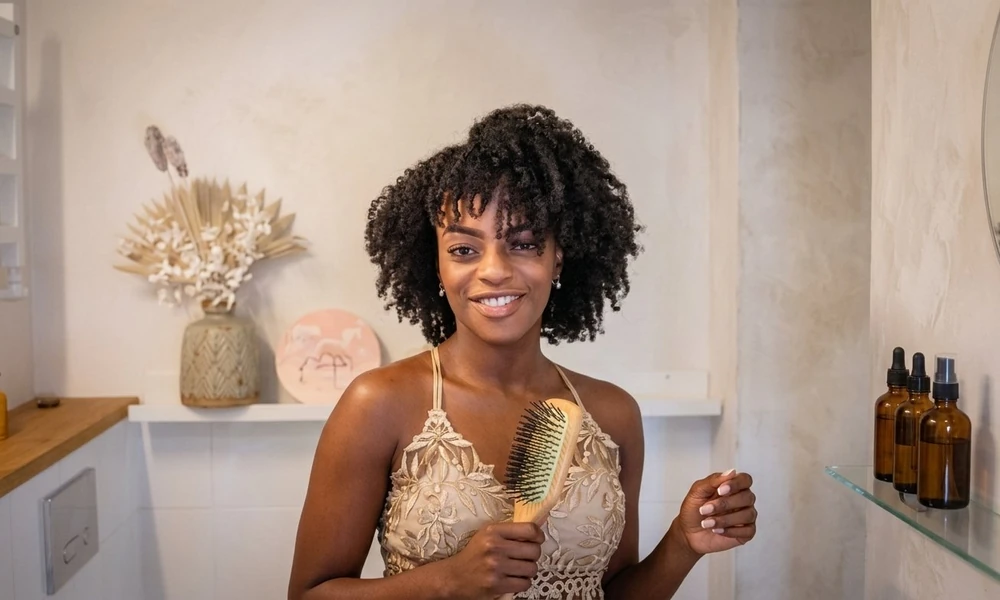
Kinky curly weaves are loved for their gorgeous volume, natural-looking texture, and ability to blend beautifully with textured hair. Whether you’re embracing a full, defined curly hairstyle or creating a protective look, these extensions offer incredible styling versatility. However, maintaining those beautiful curls can become frustrating when tangles, matting, and shedding appear. You might notice knots forming around the nape, curls losing definition, or more strands coming out during detangling. While these concerns can feel alarming, they don’t automatically mean your extensions are poor quality. Kinky curly textures require a different approach to maintenance than straight or loosely waved hair. Understanding how the curls behave, what causes excessive friction, and which care techniques actually work can help you preserve your hairstyle without spending hours fighting knots.
Why Does Kinky Curly Weave Get Tangled?
Natural textured hair has beautiful curves, coils, and bends that give it volume and character. These same characteristics are found in curly extensions, where individual strands can wrap around one another during everyday movement. When shopping for the Best Kinky Curly Weave, consider how the hair feels, its curl consistency, and how much maintenance your preferred texture requires. Even well-made extensions can develop knots without the right care.
One of the biggest causes of tangling is friction. Closely formed curls naturally interact, particularly around the shoulders and nape. Scarves, coat collars, and rough fabrics can make this worse. Sleeping without protecting your extensions also encourages strands to rub together, creating knots that become increasingly difficult to separate.
Dryness and product buildup are equally important factors. When curly extensions lack adequate conditioning, the strands may feel rough and become harder to detangle. Meanwhile, excessive styling creams, gels, and oils can leave residue that makes the curls sticky or weighed down.
Improper detangling can turn manageable knots into serious matting. Brushing tightly curled hair aggressively while dry, starting at the roots, or pulling through resistance may cause breakage and disrupt the curl pattern.
Hair quality also matters. Extensions with damaged cuticles, excessive processing, or weak construction may experience increased friction and shedding. However, labels such as raw, virgin, or premium do not guarantee identical performance. Understanding the actual condition of the hair is more useful than relying on marketing descriptions alone.
What Your Tangling Pattern May Be Telling You
As a stylist, I recommend paying attention to where the tangles occur. Knots concentrated at the nape often suggest clothing or sleeping friction. Tangling throughout the hair after washing may point toward buildup, inadequate detangling, or the condition of the fibers. These are helpful clues rather than definitive diagnoses.
Is Kinky Curly Weave Shedding Normal or a Sign of Poor Quality?
A little shedding during washing or detangling isn’t necessarily unusual. Some loose strands may be released when the curls are separated. However, consistent hair loss that noticeably reduces the volume of your extensions deserves attention. It’s also important to distinguish shedding from breakage. Shedding involves strands coming loose from the weft, while breakage occurs when individual hair fibers snap, often leaving shorter pieces behind.
For women who love switching between natural-looking curly styles, maintenance flexibility can make a difference. Curly Clip Ins For Black Women offer an alternative to wearing a full sew-in continuously. Because removable extensions can be taken out, cleaned, detangled, and stored separately, they may be more convenient for certain routines. However, they still require proper handling to prevent tangling and unnecessary shedding.
Excessive shedding can result from aggressive brushing, repeated pulling, heat damage, poorly secured wefts, or rough installation techniques. Cutting through machine wefts without appropriate reinforcement may also contribute to strands loosening.
If your extensions begin losing significant amounts of hair shortly after installation, document the problem. Take photographs, record when the shedding occurs, and contact your supplier for guidance. Avoid repeatedly applying harsh treatments in an attempt to repair a problem that may involve the hair’s construction.
A Stylist’s Step-by-Step Routine to Prevent Kinky Curly Weave Matting
Proper kinky curly weave maintenance doesn’t have to be complicated. The goal is to minimize friction, preserve moisture balance, and address small knots before they become difficult to manage.
Step 1: Divide the Hair Into Manageable Sections
Before detangling, separate your extensions into four to six sections, depending on their fullness. Use clips to keep the remaining hair out of your way.
Working with smaller sections allows you to feel individual knots and reduces unnecessary tension on the hair and wefts.
Step 2: Add Water and Conditioner
Lightly dampen the section and apply a suitable conditioner or detangling product that provides slip. Follow the manufacturer’s care instructions, particularly for chemically processed or specially colored extensions.
Avoid saturating the hair with heavy oils simply to make it feel softer. If buildup is already present, cleansing may be more beneficial than adding another product.
Step 3: Detangle From the Ends Upward
Start by gently separating the ends with your fingers. Then use a suitable wide-tooth comb if necessary, gradually working upward toward the wefts.
Support the hair above each knot to minimize pulling. Never force a comb through severe tangles. Instead, apply additional slip and carefully separate the strands.
Step 4: Restore Curl Definition
Once detangled, apply a modest amount of lightweight leave-in conditioner or curl-defining product, provided it’s suitable for your extensions.
Smooth the product through the hair and gently scrunch to encourage curl formation. Allow the curls to dry without constantly touching them, which can increase frizz.
Step 5: Protect Your Curls Overnight
Before sleeping, loosely twist or braid the extensions into manageable sections. Cover them with a satin bonnet or use a silk or satin pillowcase to reduce friction.
Make sure the hair and installation base are thoroughly dry before bedtime. Leaving damp extensions bundled overnight can encourage unpleasant odors and other moisture-related problems.
Keeping Your Curls Stylish Between Wash Days
Beautiful curly extensions should complement your personal style without requiring constant manipulation. For everyday wear, refresh flattened curls with a little water or an appropriate lightweight product when needed.
Consider loose updos, half-up hairstyles, or gentle ponytails when wearing scarves and high-collared outfits. These styles can reduce repeated rubbing around the shoulders while keeping your look polished.
During humid weather, avoid constantly layering styling products to control frizz. If the curls feel coated or difficult to separate, schedule a proper wash instead.
How to Choose Quality Kinky Curly Hair That Is Easier to Maintain
Choosing the right extensions starts with examining their condition rather than judging them solely by appearance. Look for consistent curl formation, healthy-feeling fibers, and wefts that appear securely constructed. Ask suppliers how the hair has been processed and whether they provide specific maintenance recommendations.
Texture and density are equally important. Extremely full, tightly curled extensions can create a beautiful statement look, but they may require more time for sectioning and detangling. Consider your lifestyle, styling experience, and willingness to maintain the hair regularly.
Read customer reviews that discuss washing, shedding, tangling, and repeated wear. Reviews describing the hair after several weeks may offer more practical insight than photographs taken immediately after installation.
When Should You Replace Your Curly Extensions?
Even well-maintained human hair extensions eventually show signs of wear. Persistent matting despite careful cleansing, significant thinning, damaged wefts, or consistently rough fibers may indicate that replacement is appropriate.
There’s no universal lifespan for curly extensions. Hair quality, installation methods, frequency of wear, heat exposure, and maintenance habits all influence longevity.
Frequently Asked Questions About Kinky Curly Weave Tangling
Why does my kinky curly weave tangle so easily?
Tight curls naturally interact, making them more susceptible to knots when exposed to friction, dryness, or improper handling. Product buildup and damaged fibers can make tangling more noticeable.
Should I detangle kinky curly weave while wet or dry?
For most kinky curly human hair extensions, gentle detangling while damp with conditioner or an appropriate detangler is preferable to aggressively brushing dry curls. Always follow the supplier’s specific instructions.
How often should I wash my kinky curly weave?
Your washing schedule depends on product buildup, activity level, installation type, and your supplier’s recommendations. Cleanse when necessary rather than allowing excessive residue to accumulate.
Can I completely prevent curly weave shedding?
Not entirely. Some loose strands may appear during maintenance. However, gentle handling, secure installation, appropriate cleansing, and avoiding excessive tension can help minimize unnecessary hair loss.
What’s the best way to maintain curly extensions overnight?
Loosely twist or braid completely dry extensions and protect them with a satin bonnet or pillowcase. This helps reduce friction and makes morning styling easier.
Does expensive kinky curly hair tangle less?
Not necessarily. Higher prices don’t automatically guarantee better fiber condition or construction. Evaluate the hair’s processing, weft quality, customer experiences, and care requirements before purchasing.
Final Thoughts
Kinky curly weaves offer beautiful volume, texture, and endless styling possibilities, but maintaining them requires consistency and patience. Gentle detangling, appropriate conditioning, regular cleansing, and nighttime protection can make a meaningful difference in preventing matting and excessive shedding.
Remember that not every tangle indicates poor-quality hair, and not every shedding problem can be solved with additional products. Understanding the difference helps you make better styling and purchasing decisions.
Before choosing your next curly extensions, consider their texture, construction, maintenance requirements, and compatibility with your everyday routine. Beautiful curls are easier to enjoy when you’re prepared to care for them properly.
