
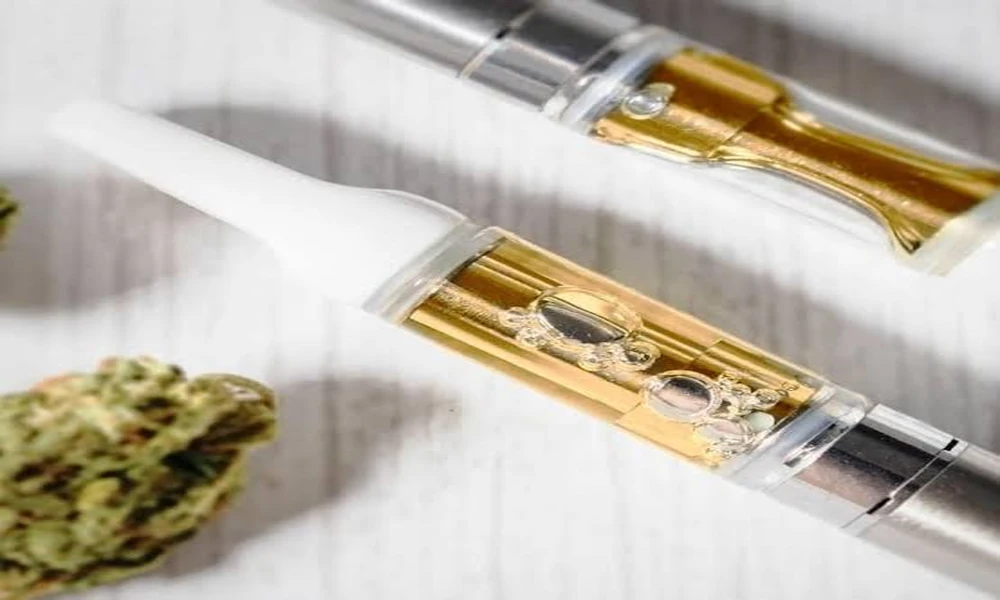
The majority of the time, leaky carts can be prevented by following a few simple steps. Exhale Wellness comparable 510-thread formats leak for identifiable reasons rather than randomly. A cartridge’s oil is forced out of the internal structure whenever conditions push it out through the threading, the air flow channel, or the mouthpiece. The three variables responsible for most leaks over the course of standard cartridge use are the position of the cartridge in storage, the temperature, and the threading integrity.
Storage position and oil movement
Oil inside a cartridge follows gravity. Storing a cartridge on its side or in inverted positions oils against surfaces it was not designed to contact continuously. Mouthpiece down storage pushes oil toward the airflow channel and the mouthpiece. That oil migrates out over time without any withdrawal. Upright storage with the mouthpiece facing upward keeps oil pooled toward the heating element and away from exit points.
- Cartridges stored in bags or pockets often end up horizontal without deliberate positioning.
- A small upright holder or dedicated carry case maintains correct orientation during transport.
- Even short periods of inverted storage allow oil to migrate toward exit points in warmer conditions.
Temperature and oil viscosity
Warm temperatures reduce oil viscosity. Thinner oil moves more freely through internal cartridge channels than oil at standard room temperature. A cartridge left in direct sun, in a warm vehicle, or near a heat source develops internal pressure as oil thins and expands. That pressure pushes oil toward the mouthpiece and threading where it exits as a leak.
Cannabis and hemp extract oils expand measurably with temperature increase. Sealed cartridge chambers do not accommodate that expansion without some oil displacement. Exit points at the threading and mouthpiece are where displaced oil goes when internal pressure builds above what the seal tolerates.
Threading integrity
Overtightening a cartridge onto a 510 battery damages the seal at the threading connection. That seal prevents oil from migrating out through the connection point during storage and use. A cartridge tightened past firm resistance deforms the seal and creates a leak pathway that does not self-correct after the overtightening occurs.
A finger-tight connection without additional force is the appropriate level for 510 threading. Resistance confirms contact. Additional force past that point provides no performance benefit and damages the seal. Cartridges that have been overtightened and subsequently leak at the threading require replacement rather than further tightening to address the leak.
Airflow channel accumulation
Oil that enters the airflow channel during use or storage collects over multiple sessions. Accumulated oil in that channel exits through the mouthpiece during draws or during storage when the viscosity is low enough for gravity to pull it out. Shorter draws reduce the volume of oil that enters the airflow channel per session. A cartridge should always be stored upright after each use in order to prevent any oil from returning to the heating element rather than migrating to the mouthpiece at the end of the session.
By ensuring consistent upright storage, keeping the temperature away from direct light, threading the connection finger-tight at all times, and maintaining a moderate draw length, we can address the four primary leak causes without having to modify any hardware.
