
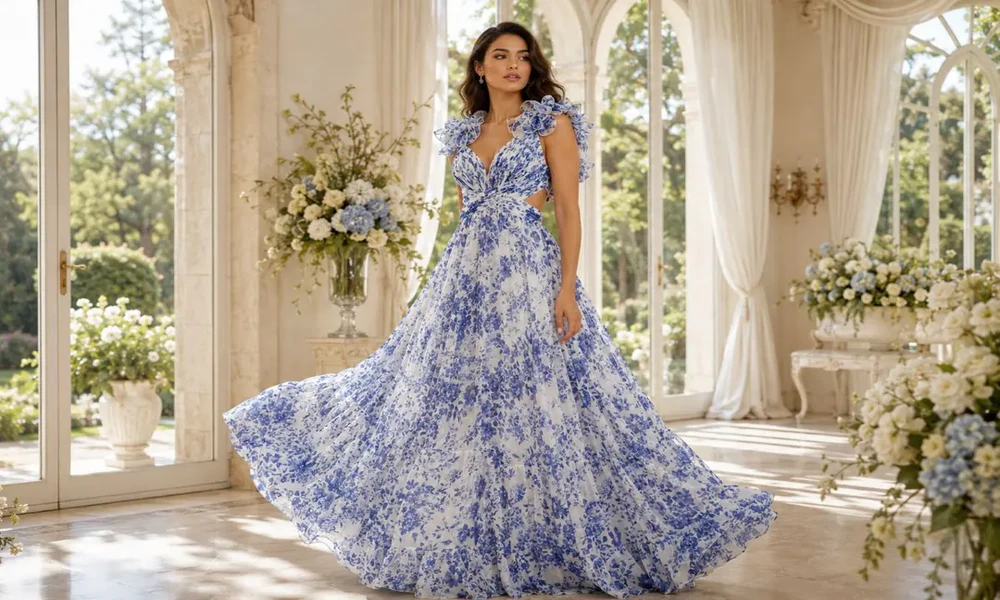
Dress sizes rest on one averaged body few women match. A size eight might suit the hips yet gape at the bust. Shoppers who book a tailor bangkok workshop avoid that trade-off. Every cut begins from personal measurements, not factory grades. The difference shows most at waist, shoulders and hemline. Drafting, fittings, fabric and posture all decide the outcome.
Ready-to-Wear Grading Ignores Individual Proportions
Brands scale one sample pattern in fixed size jumps. Bust and waist grow together, regardless of real bodies. Petite frames end up with drooping shoulder seams. Taller women see waistlines riding up toward the ribs. Such flaws stem from arithmetic, not poor sewing.
What Happens During a Personal Pattern Draft?
A cutter records twenty or more measurements before touching cloth. Those numbers become a block drawn only for one wearer.
- Bust point placement sets where darts end.
- Back length decides how bodices sit flat.
- Hip curve depth guides the skirt’s flare.
- Shoulder slope changes the armhole’s final shape.
Multiple Fittings Refine Shape Step by Step
Measurements alone cannot predict how fabric drapes during movement. A reliable tailor bangkok shop books two or three try-ons. The first, done in basted calico, reveals pulls and gaps. Next, darts are pinned and seams nudged by millimeters. Small corrections here create the sculpted look off-rack gowns lack.
Which Fabrics Hold a Tailored Silhouette Best?
Structure depends as much on cloth as on cutting. Thai silk shantung keeps flared skirts standing crisp. Jersey, by contrast, collapses unless lined or interfaced.
- Shantung holds sharp pleats well.
- Crepe follows curves without clinging.
- Linen softens after repeated wear.
- Duchess satin supports structured bodices.
Can Tailoring Fix Asymmetry and Posture Differences?
Few bodies are perfectly even from left to right. One lower shoulder drags necklines sideways on stock pieces. A tailor corrects this by raising a single shoulder seam. Forward-leaning posture gets extra back length, keeping hems level. Mass production cannot offer such one-sided changes.
Millimeters Matter More Than Dress Size Labels
At the second fitting, seams moved by mere millimeters. Such a small tweak alters how the whole gown hangs. Size labels promise fit through a single number. Custom cutting replaces that promise with dozens of recorded measurements. The real gain is not luxury but accuracy. A wearer finally stops bending her body to suit clothing.
FAQs
How long does a custom dress take in Bangkok?
Simple dresses are often ready in three to five days. Detailed gowns with beading or lining may need one to two weeks.
Can a tailor copy a dress from a photo?
Yes, experienced cutters draft patterns from clear photos or sketches. Bringing a sample garment along improves the accuracy further.
How many fittings should be expected?
Two fittings suit relaxed shapes, while close-fitting gowns need three. Skipping one raises the risk of tight or loose spots.
Is fabric included in the quoted price?
Shop quotes cover in-house fabric, with premium silk charged separately. Bringing personal fabric can lower the total cost.
