
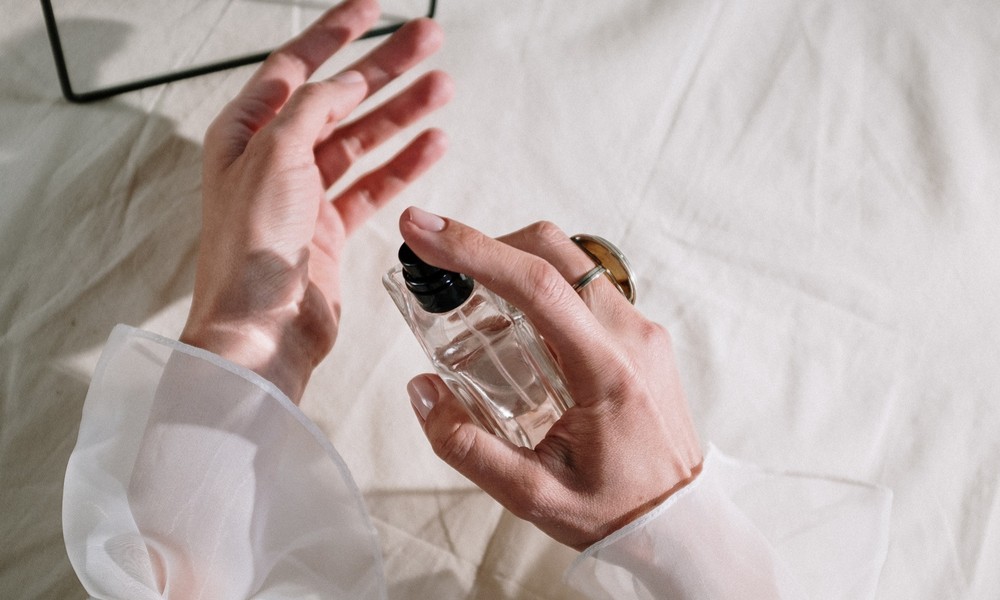
We have all been there: you are dressed in your finest attire, ready for a grand celebration, and you reach for your favourite bottle to add that finishing touch of elegance. However, a hasty spray can sometimes leave behind more than just a pleasant aroma. Many fragrance enthusiasts often wonder if their signature scent might actually be compromising the longevity of their wardrobe.
The short answer is yes, perfume can indeed leave unsightly marks on certain fabrics. Most modern fragrances are composed of a delicate blend of alcohol, essential oils, and synthetic compounds. While these ingredients create a captivating olfactory experience, the oils and dyes used in the formulation can react poorly with delicate fibres like silk, linen, or acetate, resulting in oily patches or discolouration that can be tricky to remove.
Why Fragrances Leave Marks
Staining usually occurs because of the concentration of essential oils. When you apply a high-quality perfume, the richness of the ingredients means the liquid has a higher density of natural resins. If sprayed too closely to the garment, these resins settle into the weave of the fabric rather than evaporating into the air. Over time, or when exposed to heat during ironing, these residues can darken, becoming more prominent and stubborn.
Furthermore, some scents contain chemical fixatives designed to make the aroma last longer. While excellent for staying power, these fixatives can act like a mild adhesive for dust and lint, creating a dull spot on the shoulder or lapel where you typically apply your scent.
Protecting Your Wardrobe
To prevent these mishaps, the best technique is to apply your fragrance directly to the skin specifically at pulse points like the wrists and neck, before getting dressed. This allows the alcohol to evaporate and the scent to settle. If you prefer a more diffused aura, try the “mist and walk” method, where you spray the air and walk through the cloud, ensuring the particles are finely distributed.
When choosing a premium women’s perfume, consider the colour of the liquid itself. Darker ambers and deep floral extracts are more likely to tint light-coloured fabrics compared to clear, citrus-based eau de colognes. Always hold the bottle at least 15 to 20 centimetres away from your body if you must spray while dressed, as this prevents the liquid from pooling in one concentrated spot.
Dealing with Existing Stains
If you notice a fresh mark, do not panic or rub the area vigorously, as this can push the oils deeper into the fabric. Instead, blot the spot gently with a clean, damp cloth. For older stains, a mixture of water and a small amount of white vinegar can often break down the oils without damaging the garment. However, for luxury fabrics or intricate embroidery, seeking professional dry-cleaning services is always the safest route to ensure your clothes remain in pristine condition.
By understanding the chemistry behind your scents and adopting a mindful application routine, you can enjoy your collection without fear. Fragrance should be an invisible accessory that enhances your presence, not a permanent fixture on your silk blouse or cotton shirt. Whether you favour light citrus blends or more opulent compositions like a classic Versace perfume, the key is thoughtful use, allowing you to stay fragrant, stylish, and confident without compromising your wardrobe.
