
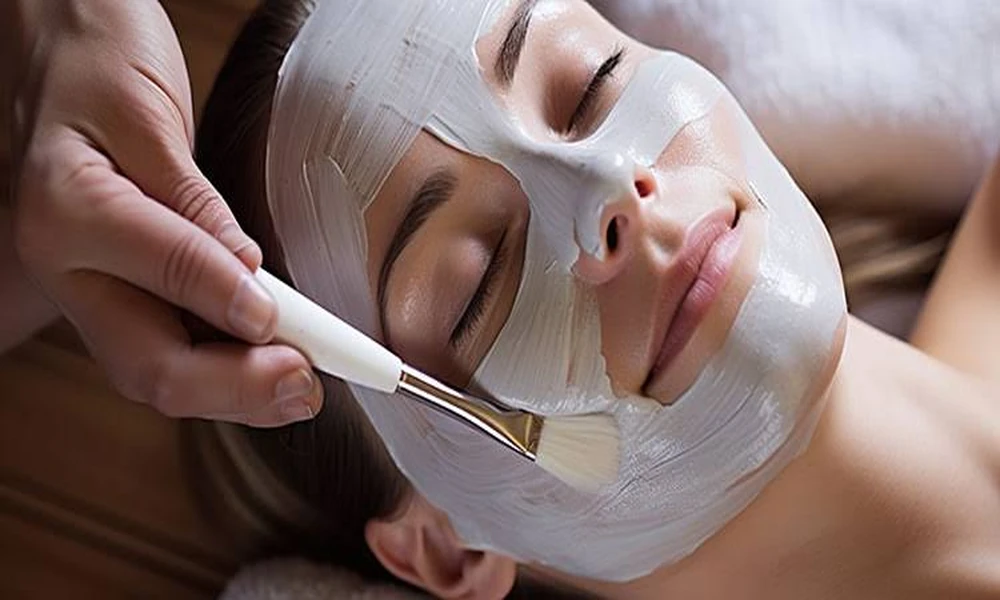
A shared spa afternoon works better when friends coordinate the outing but make their own treatment decisions. You can agree on a day, a spending range and where to meet without booking identical facials. That separation gives each guest room to discuss personal circumstances privately and choose whether to proceed. Friendship provides the occasion; it does not make one person’s preferences a suitable booking brief for the other.
The distinction sounds obvious until one enthusiastic organizer has several browser tabs open and a second friend says, “Whatever you choose is fine.” That answer may mean the date is convenient, not that every product, procedure or expense has been approved. A few early clarifications keep a generous invitation from turning into an appointment somebody feels obliged to accept.
Agree on the afternoon before discussing treatments
Start with the part you genuinely share. Decide whether the goal is time together, an individual personal-care appointment followed by lunch, or simply a reason to reserve an unhurried afternoon. Those are all workable ideas, but they create different expectations. If conversation is the main attraction, long separate appointments may not be the best centrepiece. If each person wants quiet, a shared arrival and later reunion could be enough.
Discuss a comfortable spending range without requiring anyone to justify it. Be clear about whether each person pays separately and what an invitation includes if one is treating the other. An organizer may intend to cover the appointment but not optional products or additional services. Stating that before booking prevents an awkward calculation while someone is already standing at checkout.
Leave the treatment name blank until each guest has considered their own choice. One friend may already know a familiar service; the other may want an initial conversation before deciding. The shared plan should accommodate that difference. A booking that allows only one person’s preferred format to work is not automatically the right option because it looks attractive as a package.
Agree on who will handle logistics, too. One person can ask about availability and transport while each contacts the provider about personal suitability. This divides the work without appointing one friend as the spokesperson for information they do not possess. A simple message confirming the venue and proposed date is enough to keep the practical arrangements coordinated.
Move personal questions out of the group chat
There is no need to discuss sensitive health or skincare information in a shared message thread to prove that you are cooperating with the plan. Ask the provider how each guest can supply relevant details privately. If a concern belongs with a healthcare professional, that conversation should happen in the appropriate setting rather than being resolved by a friend who has enjoyed the service before.
The same privacy applies to preferences that are not medical. Someone may dislike a particular scent, feel uncomfortable changing in a shared space or simply want less conversation during an appointment. Those preferences do not require a persuasive explanation to the group. The useful question is what arrangements the venue can actually offer, not whether the preference seems important to everybody else.
A friend can help formulate a question without answering it on the other person’s behalf. “Would you like me to ask whether separate rooms are available?” is different from telling reception that both guests want the same setup. When information comes back, pass it on accurately and let each person confirm their own agreement.
Ask what together actually means at the venue
Two appointments at the same time do not necessarily mean one room, the same practitioner or matching start and finish times. Conversely, a shared room may not be available for every combination of services. Clarify the physical and scheduling arrangement before using the word “couples” or “friends” as though it guarantees a particular experience.
The page describing Santé’s Thornhill esthetic treatments mentions arrangements for one or two people depending on the visit. That gives friends a specific possibility to ask about, not a promise that every pair of services can be synchronized. Contact the spa with both proposed appointments and confirm the current room, staffing and timing options directly.
Ask how changes are handled if one guest decides not to proceed after their consultation. Does the other appointment remain in place? What happens to any shared arrangement or deposit? Request the actual booking terms rather than relying on assumptions about what a small change ought to mean. Knowing the process lets both friends make independent decisions without worrying about unexpectedly cancelling the whole outing.
Keep confirmation details somewhere both can find them. The venue address, arrival instructions and agreed appointment names are more useful than a screenshot of the original promotional image. If the booking changes, update that shared note so neither guest prepares for an arrangement that no longer exists.
Make room for an unequal finish
Different appointments may end at different times, and a consultation can alter the expected sequence. Decide beforehand what the earlier finisher will do. They might wait in an area the venue permits, take a short walk or meet the other guest at a nearby location. Do not assume that treatment rooms or relaxation spaces are available for an unlimited wait.
A later meal reservation should allow some flexibility instead of turning the last part of a service into a race. Each guest should also follow the instructions relevant to their own appointment when making plans afterward. A shared afternoon does not mean that advice given to one person applies automatically to the other.
Choose one dependable meeting point as the anchor of the day. That might be the spa reception at an agreed time or a café after separate visits. With that arrangement settled, the individual appointments can remain individual. The successful outing is the one both friends freely chose, even if their treatment menus never matched.
